Welcome to the Thousand Oaks Community Food Recovery Hub!
Adelante is hard at work using the CalRecycle - City of Thousand Oaks grant to expand food recovery, storage, and distribution in the City of Thousand Oaks. Please contact us if your organization or business has ideas or experience to offer.
We’re Making Progress!!
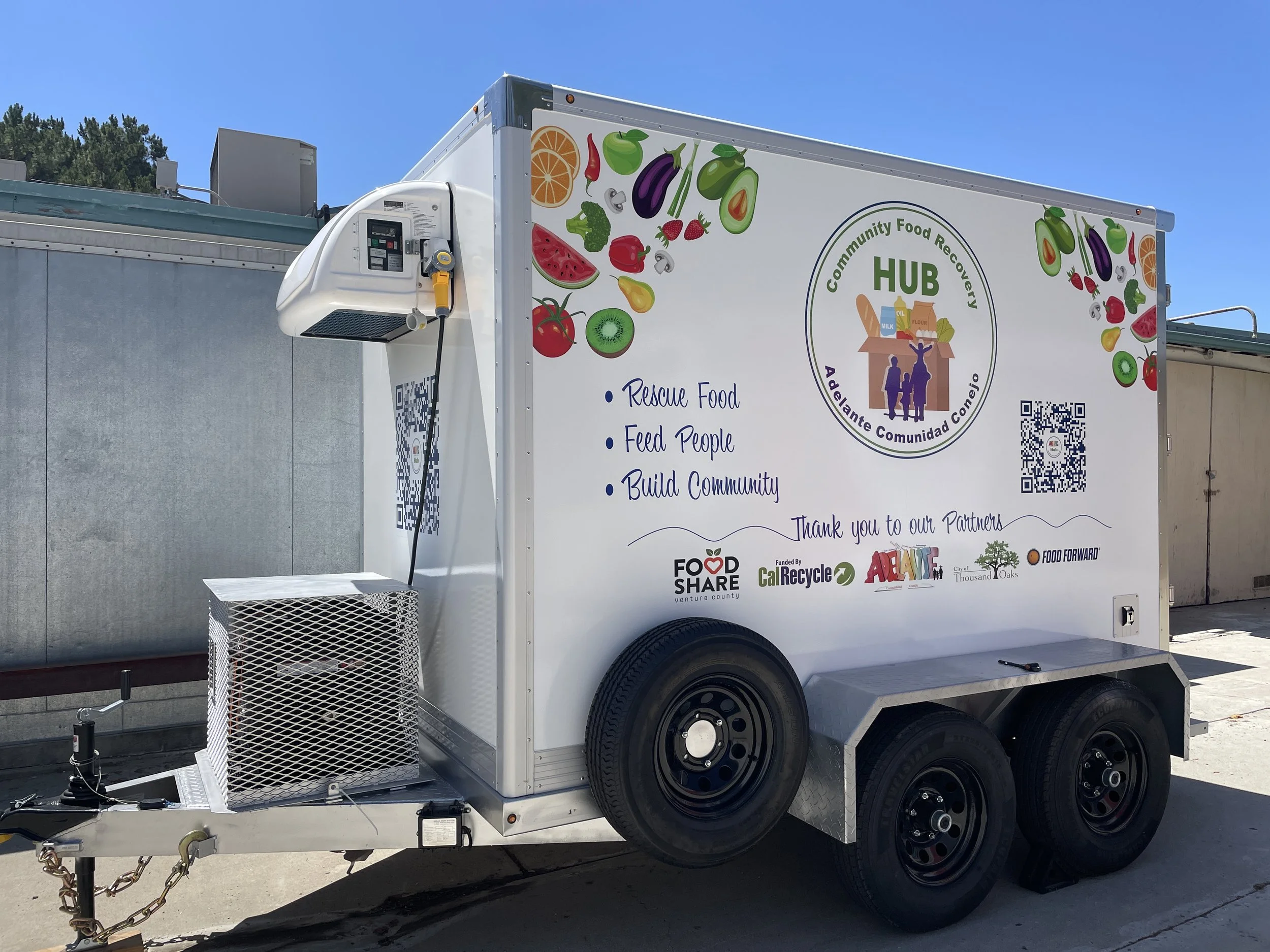
Cooler Trailer with Generator
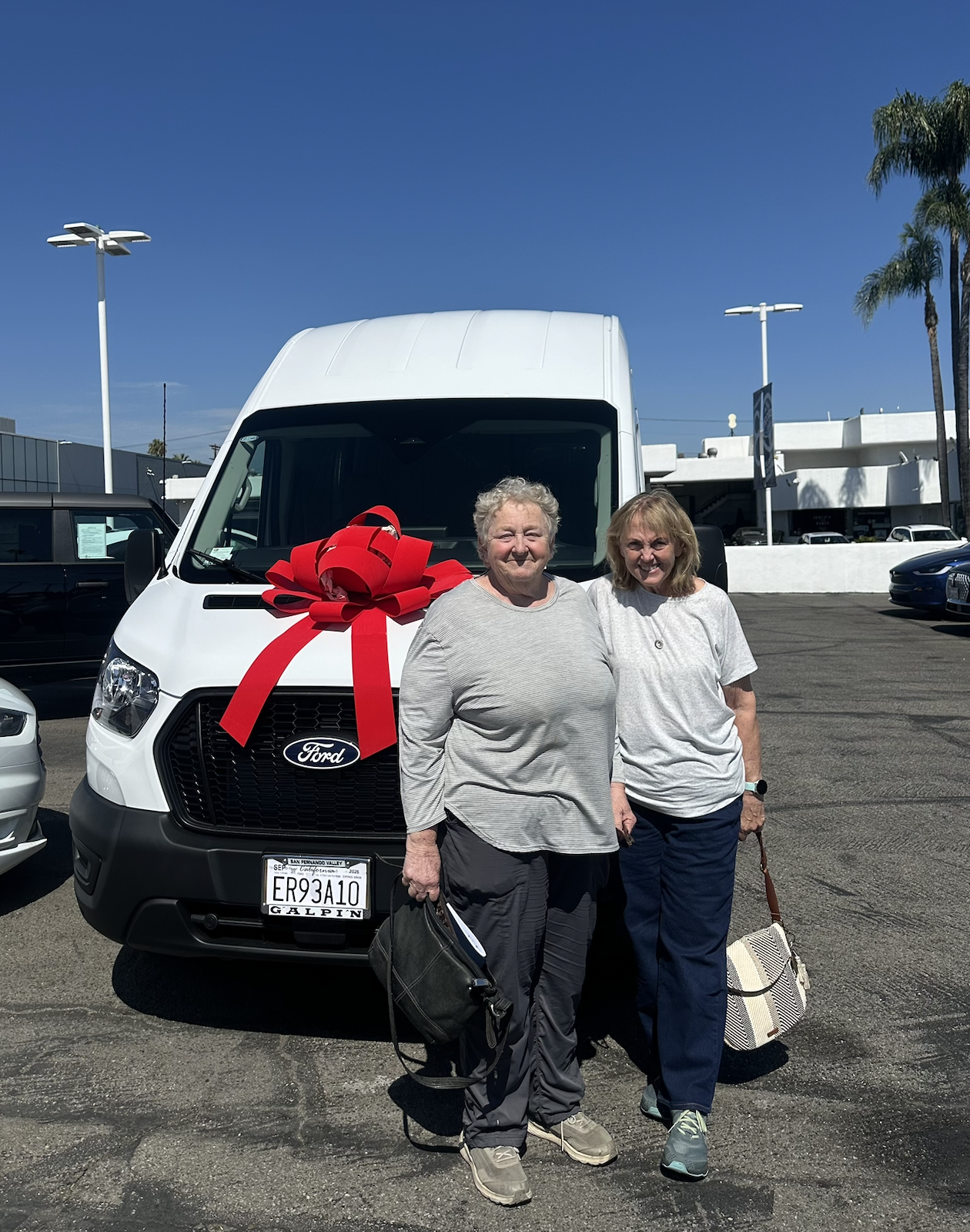
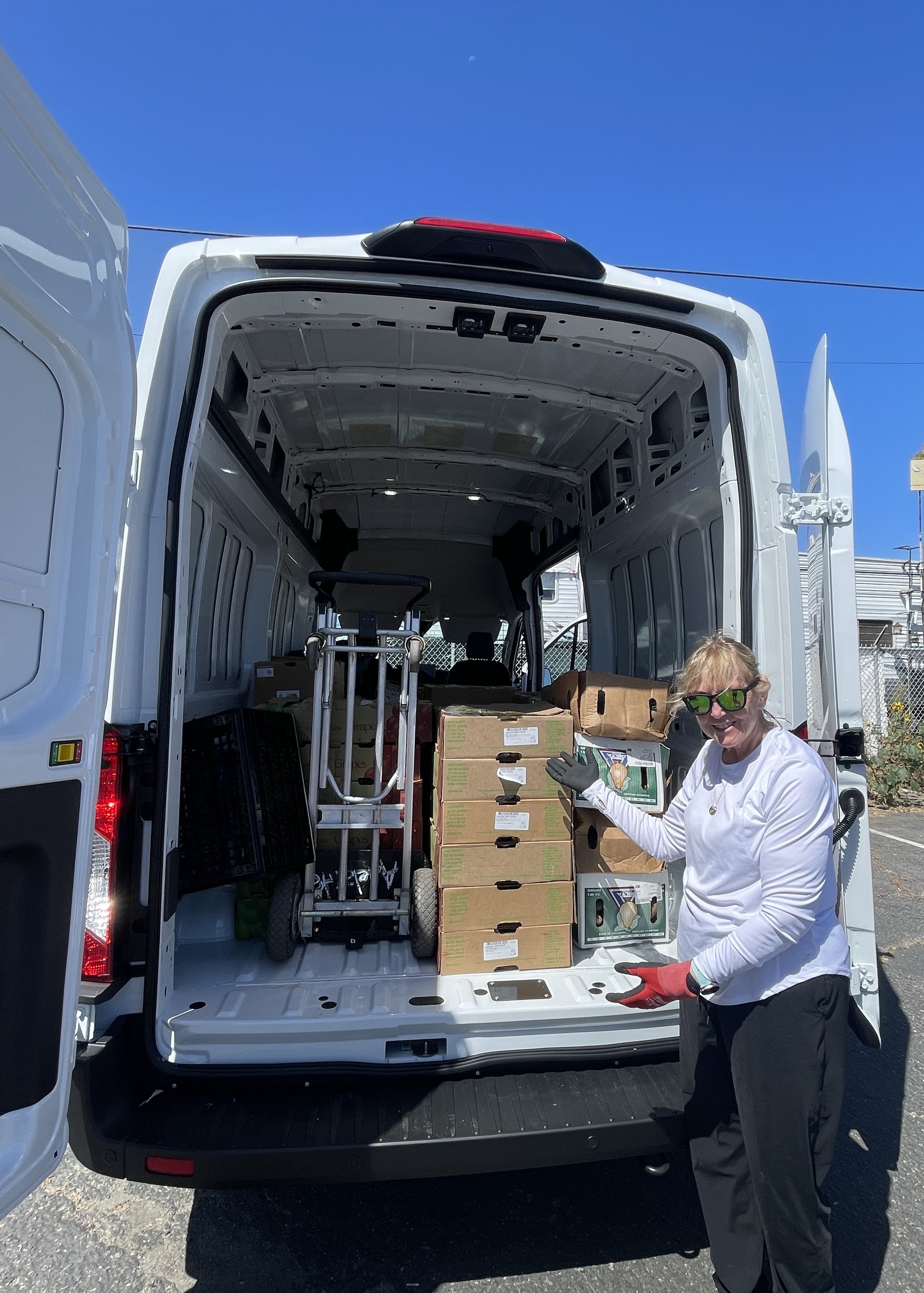
Cargo Van with tow package
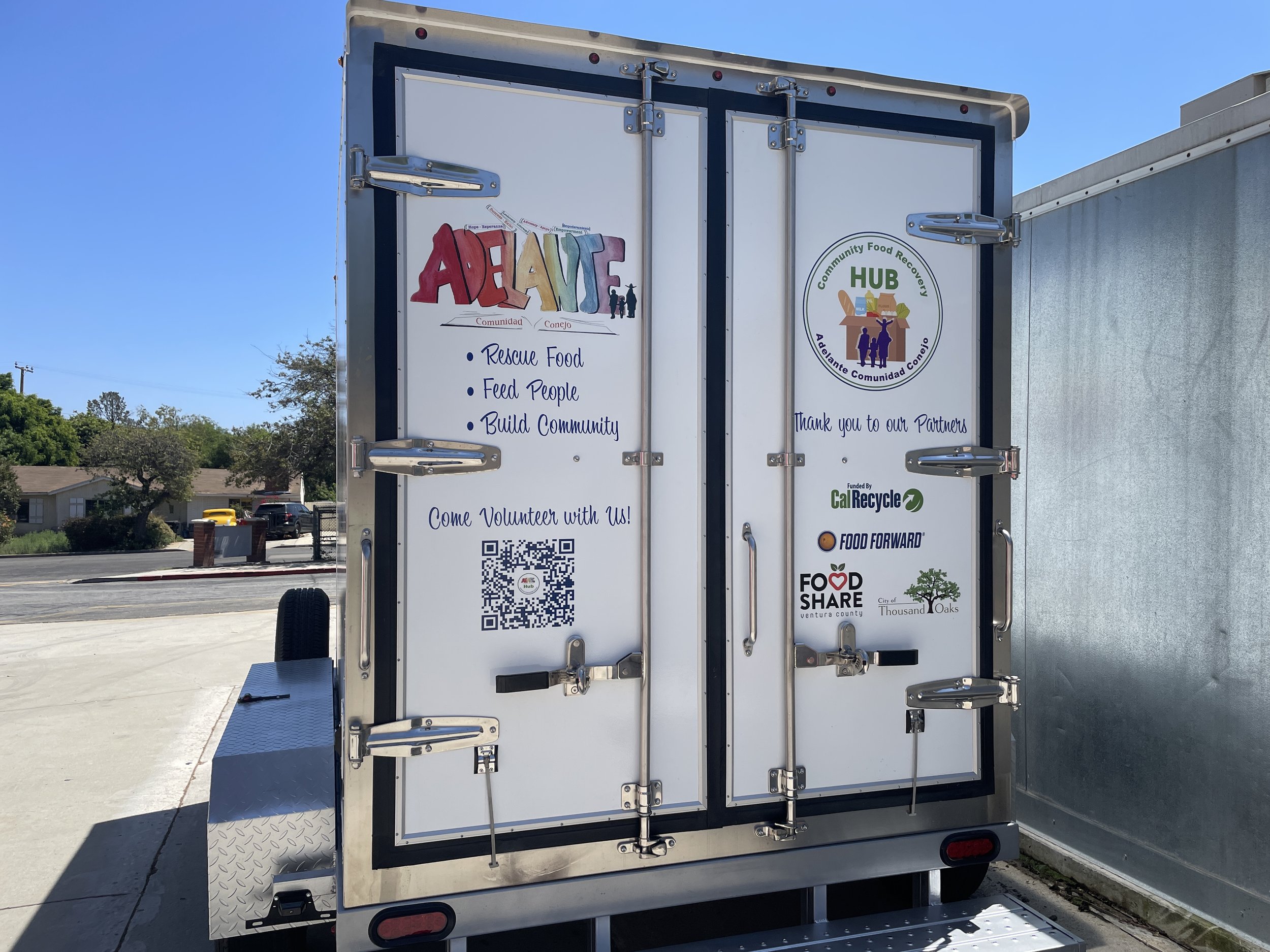
Cooler Trailer rear doors
How can the Community Food Recovery Hub grant funds be used?
The CalRecycle - City of Thousand Oaks - Adelante Comunidad Conejo - grant of $325,000 must be used to expand capacity for food recovery and distribution from Tier 1 (larger grocery stores) and Tier 2 (larger restaurants and food services) in the City of Thousand Oaks. The grant stipulates that the expansion include shared-use vehicles and food safe cold storage for eligible Thousand Oaks Food Recovery Organizations, non-profit food pantries, and community support organizations.
The funds cannot be used to purchase food for community distributions or to offset the non-recovered-food related expenses (USDA, FoodShareVC, or purchased) of community food distributions.
The goal of SB 1383 is to divert edible food from producers to people facing food insecurity, thus removing it from landfills where it rots, producing harmful pollutants.
What is SB 1383?
To reduce food waste and help address food insecurity, SB 1383 requires that by 2025 California will recover 20 percent of edible food that would otherwise be sent to landfills, to feed people in need. The law directs the following:
Jurisdictions must establish food recovery programs and strengthen their existing food recovery networks
Food donors must arrange to recover the maximum amount of their edible food that would otherwise go to landfills
Food recovery organizations and services that participate in SB 1383 must maintain records
Adelante Comunidad Conejo Food Distribution Program Timeline:
Adelante began distributing food at the start of COVID19 school campus closures in March 2020.
We were able to do this work because United Methodist Church of Thousand Oaks facilities were made available to us.
In June 2025, Adelante learned that UMCTO needed to reduce the amount of facility space available for our program by August 2025.
In July 2025, with the help of a local benefactor, we moved our food and equipment storage to seven temporary locations across Thousand Oaks.
In August 2025, the hunt for a new home for Adelante’s food program operation began in earnest.
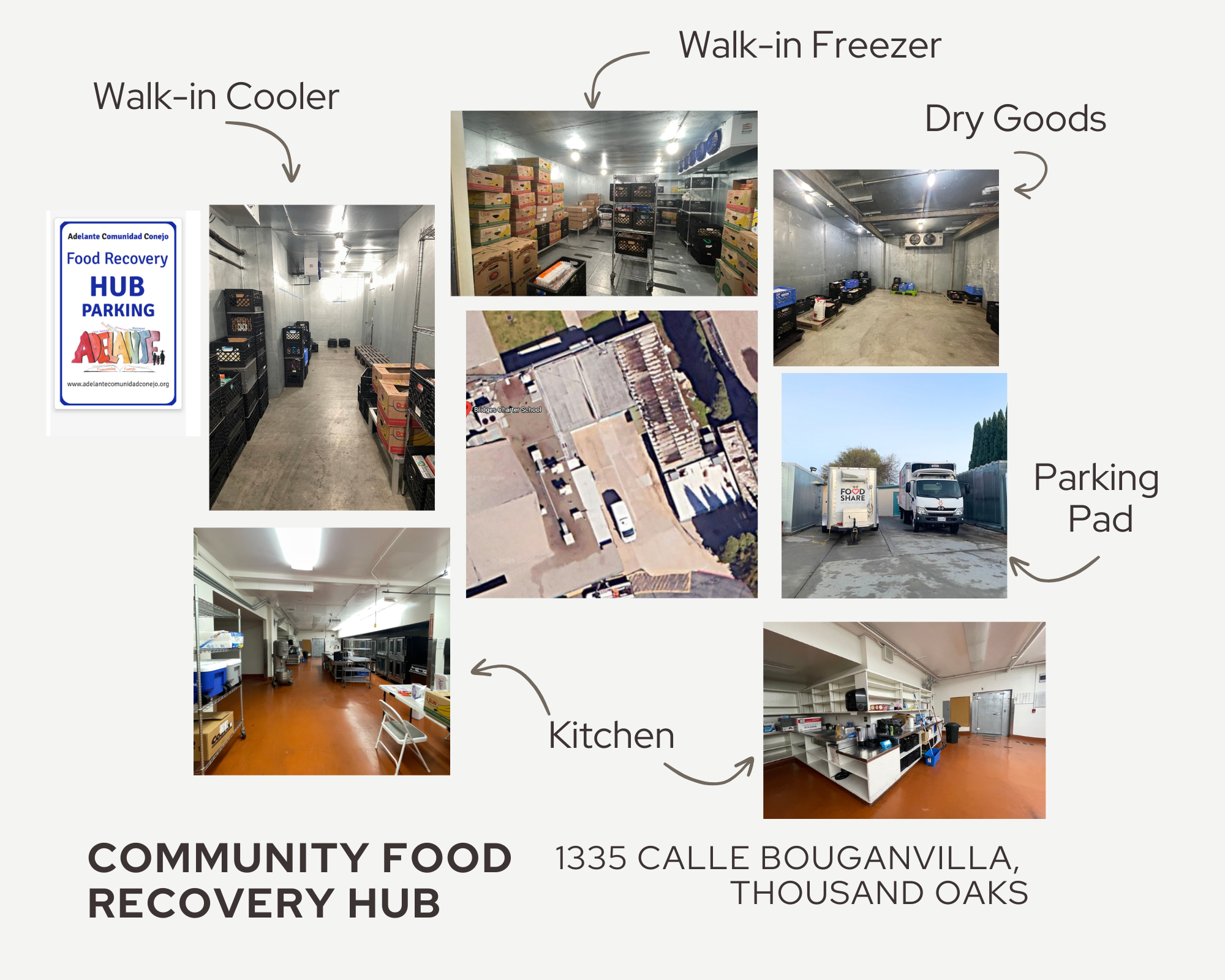
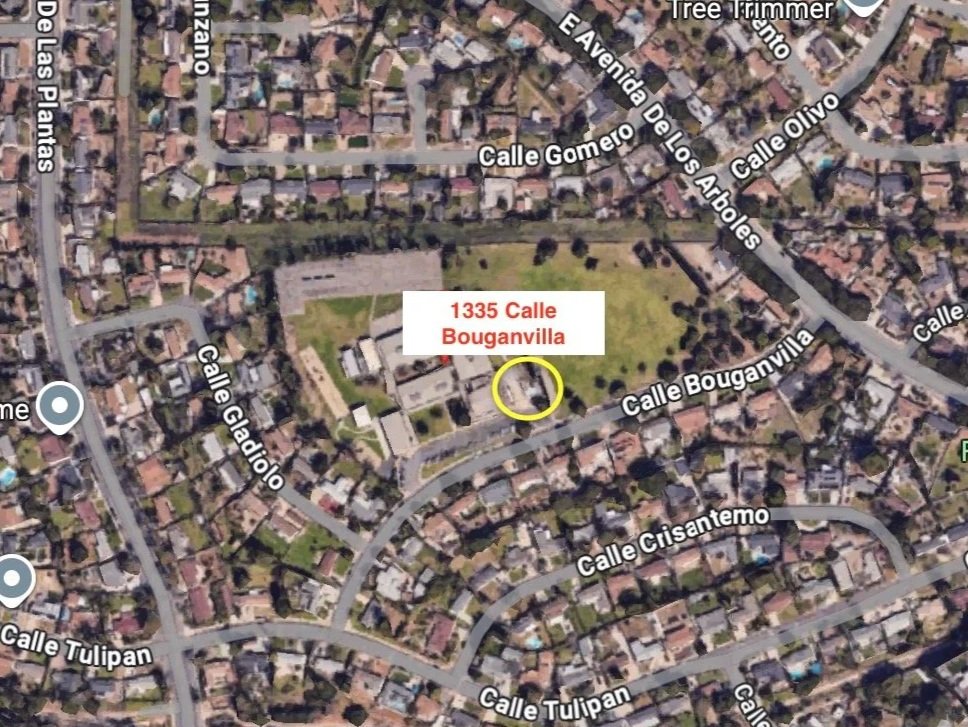
In November 2025, an agreement was approved by Conejo Valley Unified School District Trustees for our use of the former CVUSD Central Kitchen at the Park Oaks campus where Bridges Charter School is currently located.
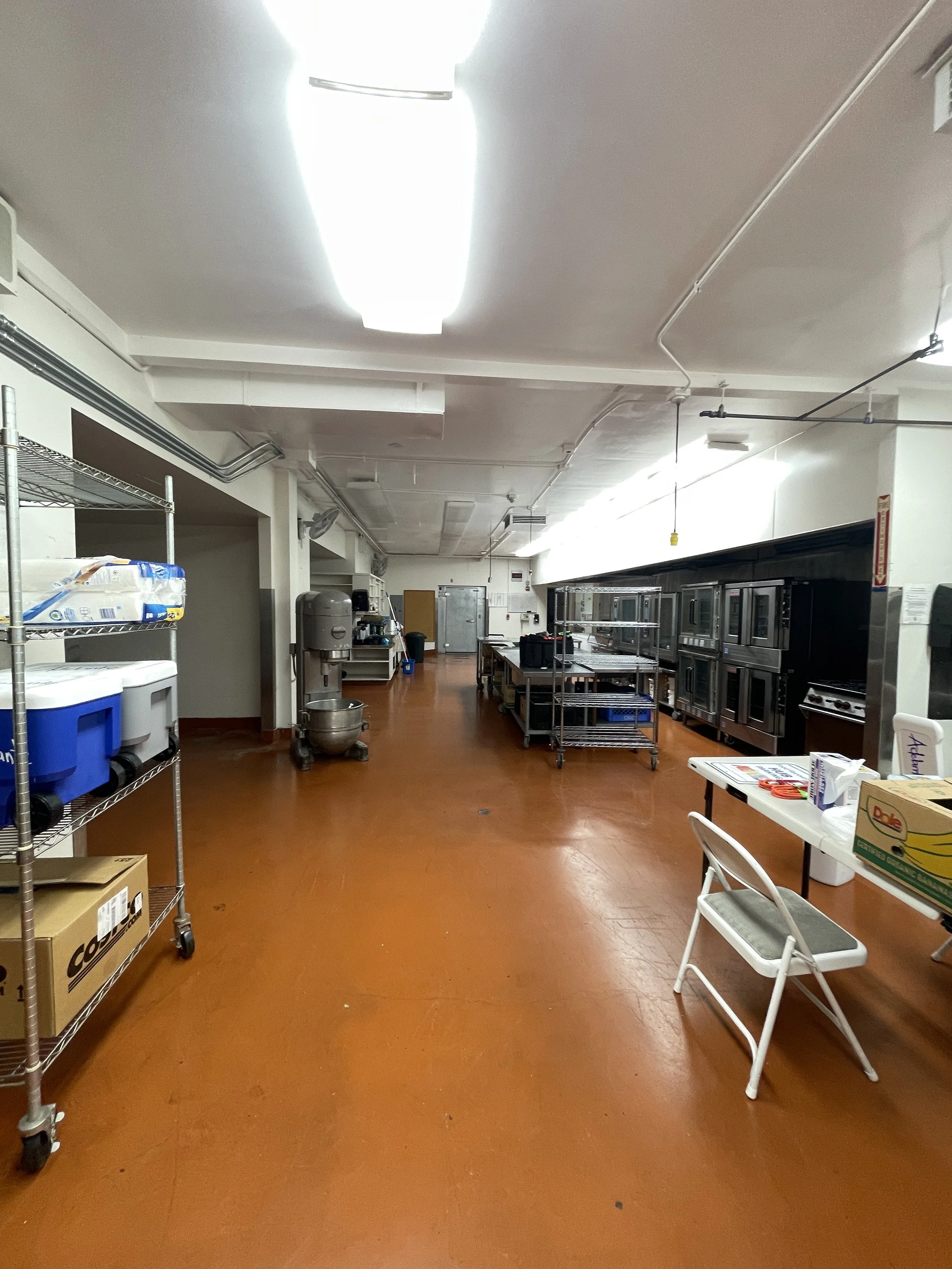
In mid-December 2025, the CVUSD Child Nutrition Central Kitchen relocated to the former Triggs building, adjacent to Conejo Academy on Los Feliz, and we received the keys to the Park Oaks facility.
In mid-December 2025 the Sustainability Division of the City of Thousand Oaks solicited proposals from food recovery organizations and services based in the City of Thousand Oaks for establishment of a food recovery hub.
The primary goal of the hub is to ensure that Thousand Oaks food recovery organizations have increased capacity to safely accept surplus food donations from Thousand Oaks Tier 1 and Tier 2 commercial edible food generators.
In January 2026, Adelante submitted our food recovery hub proposal.
On March 10, 2026, the Thousand Oaks City Council voted to award CalRecycle grant funds to Adelante Comunidad Conejo. These funds are designated for the creation of a Community Food Recovery Hub intended to expand food recovery in the City in compliance with SB 1383. The MOU is available for review here.